

Table of Contents
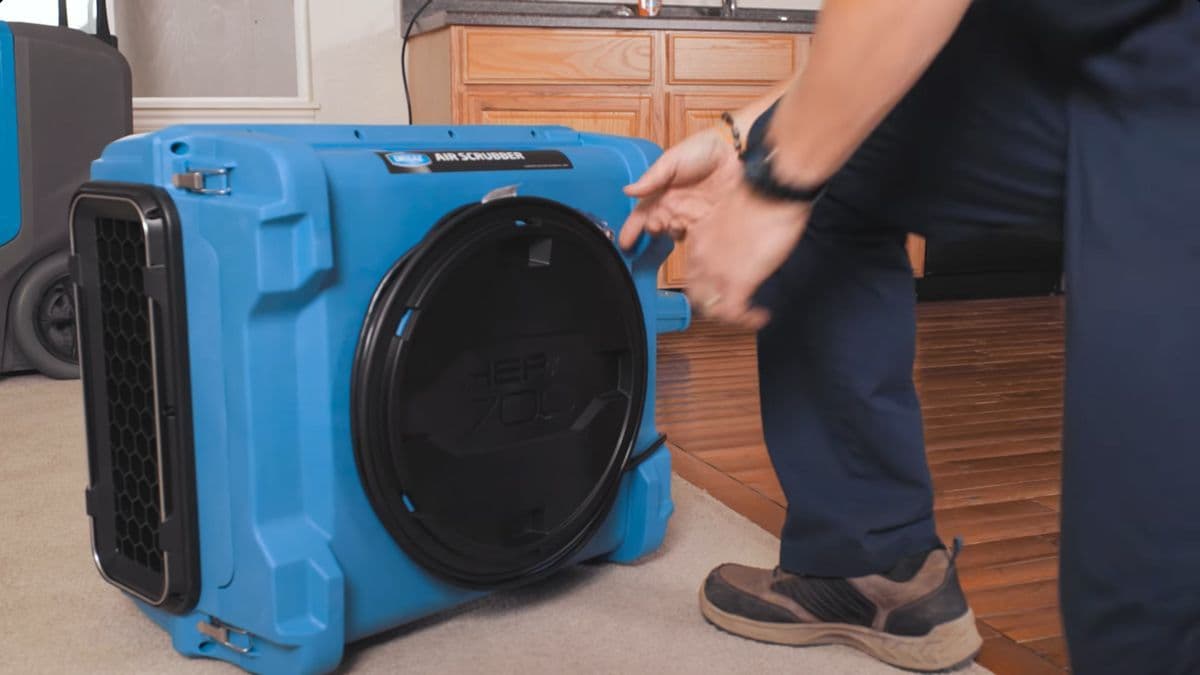
If your air scrubber is making noise, it’s typically caused by loose components, dirty filters, fan issues, or normal operational sounds. Most noises can be fixed by tightening loose parts, cleaning or replacing filters, lubricating moving components, or adjusting the unit’s placement. For persistent or unusual noises, professional inspection is recommended to prevent potential damage to your air purification system.
Common Causes of Air Scrubber Noise
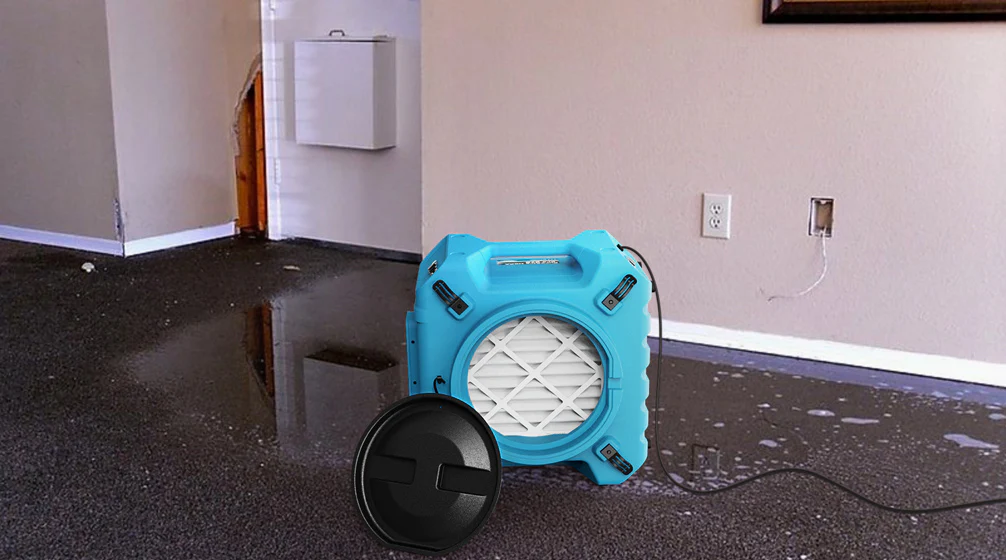
Air scrubbers are designed to clean your indoor air by removing contaminants, allergens, and pollutants. While they’re meant to operate quietly, several issues can cause an air scrubber to make noise.
Normal Operational Sounds
Not all sounds from your air scrubber indicate a problem. New air scrubber owners are sometimes surprised by the normal operational sounds these devices make. A gentle humming or whirring sound is perfectly normal as the fan circulates air through the unit. Most air scrubbers produce a white noise between 40-60 decibels, similar to a refrigerator or quiet conversation.
Loose Components
Over time, the vibration from regular operation can cause screws, panels, or internal components to loosen. When parts aren’t secured properly, they can rattle, buzz, or create knocking sounds. This is one of the most common reasons an air scrubber starts making noise after working quietly for a period of time.
Dirty or Clogged Filters
Air scrubbers work by pulling air through filters to trap particles. When these filters get dirty or clogged, the fan has to work harder to pull air through. This extra strain can cause the motor to make louder noises than usual. If your air scrubber is making noise that’s getting progressively louder, dirty filters might be the culprit.
Fan or Motor Issues
The fan and motor are the main moving parts in an air scrubber. Problems with these components often result in unusual noises. A fan that’s unbalanced, damaged, or has debris caught in it will create distinctive sounds. Similarly, a motor that needs lubrication or is wearing out will typically make grinding or squealing noises.
Improper Placement
Sometimes the noise isn’t coming from the air scrubber itself but is caused by how or where it’s placed. Units positioned on uneven surfaces or too close to walls can create vibrations that amplify normal operational sounds. The acoustics of your room can also make normal air scrubber sounds seem louder than they actually are.
Types of Noises and What They Mean
Different noises from your air scrubber can help diagnose the specific problem. Let’s explore what various sounds might indicate.
Rattling or Vibrating
A rattling noise typically points to loose components. This could be exterior panels, internal parts, or even something as simple as the unit vibrating against the floor or wall. Check if the noise changes when you move the air scrubber to a different location or surface.
Grinding or Scraping
Grinding or scraping sounds are concerning and usually indicate a serious issue with the fan or motor. These noises happen when metal components are rubbing against each other without proper lubrication or when the fan blade is hitting something it shouldn’t. If your air scrubber is making noise like this, turn it off immediately to prevent further damage.
Whistling or High-Pitched Sounds
Whistling noises often indicate air flow problems. This could be from a partially blocked filter, a gap in the housing where air is being forced through, or an issue with the fan speed settings. High-pitched sounds can also occur when the motor bearings are starting to fail.
Buzzing or Humming
A loud buzzing or humming that’s more intense than the normal operational sound might indicate electrical problems. This could be an issue with the power supply, the motor, or the electronic control board. Electrical problems should be addressed promptly as they can pose safety risks.

Clicking or Tapping
Clicking sounds often occur when something is hitting the fan blade as it rotates. This could be a small piece of debris, a loose wire, or even a damaged part of the fan itself. Tapping noises might also indicate that the fan is slightly unbalanced and hitting the housing during rotation.
DIY Troubleshooting and Fixes
Before calling a professional, there are several steps you can take to address an air scrubber making noise. Here are some DIY fixes for common noise issues:
Check and Tighten Loose Parts
Start by inspecting your air scrubber for any loose exterior panels or screws. Gently tighten any loose fasteners you find. Be careful not to overtighten, as this can strip the threads or crack plastic components. If the unit has removable panels, make sure they’re properly seated and secured.
Clean or Replace Filters
Dirty filters are a common cause of noise in air scrubbers. Most units have filters that can be removed for cleaning or replacement:
- Turn off and unplug your air scrubber
- Locate and remove the filter(s) according to your owner’s manual
- If washable, clean with mild soap and water, then let dry completely
- If disposable, replace with a new filter of the same type
- Reinstall the filter properly before turning the unit back on
Check the Fan
If you’re comfortable doing so and your model allows it, inspect the fan for any issues:
- Ensure the fan is free of dust and debris
- Check for any visible damage to the fan blades
- Make sure the fan spins freely when turned by hand (with the unit unplugged)
- Look for any objects that might be hitting the fan as it rotates
Reposition the Unit
Sometimes simply moving your air scrubber can reduce noise:
- Place it on a level, stable surface
- Ensure it’s not touching walls or furniture
- Consider placing a small rubber mat underneath to absorb vibrations
- Keep it away from corners where sound can be amplified
Lubricate Moving Parts
Some air scrubber models have motors or fans that can be lubricated to reduce noise. Check your owner’s manual to see if this is recommended for your model and what type of lubricant to use. Never apply lubricants unless specifically instructed by the manufacturer, as this could damage the unit or create fire hazards.
Preventative Maintenance Tips
Regular maintenance can prevent your air scrubber from making noise in the first place. Here are some tips to keep your unit running quietly:
Regular Cleaning Schedule
Establish a routine cleaning schedule for your air scrubber. The frequency will depend on your usage and environment, but most units benefit from monthly attention. Regular cleaning prevents dust buildup that can cause noise and reduces strain on the motor and fan.
Filter Maintenance
Filters are the heart of your air scrubber’s functionality. To prevent noise issues:
- Check filters every 2-4 weeks
- Clean washable filters according to manufacturer instructions
- Replace disposable filters as recommended (usually every 3-6 months)
- Consider upgrading to higher-quality filters that allow better airflow
Proper Placement Practices
Where and how you place your air scrubber affects both its noise level and efficiency:
- Keep at least 12 inches of clearance around the unit
- Place on solid, level surfaces to minimize vibration
- Avoid placing directly on hardwood floors or hollow surfaces that can amplify sound
- Consider noise-dampening pads if the unit must be placed in a noise-sensitive area
Seasonal Inspections
Perform a thorough inspection of your air scrubber at the beginning of each season, especially before heavy-use periods:
- Check all fasteners and tighten if necessary
- Inspect power cords for any damage
- Test all speed settings to ensure proper operation
- Listen for any new or unusual sounds that might indicate developing problems
Keep Records
Maintain a log of when you perform maintenance and any issues you notice. This can help identify patterns and predict when components might need attention. It’s also valuable information to have if you ever need professional service.
When to Call a Professional
While many noise issues can be resolved with DIY approaches, some situations warrant professional attention. Here’s when you should call in an expert if your air scrubber is making noise:

Persistent Noises After DIY Fixes
If you’ve tried the troubleshooting steps above and your air scrubber is still making noise, it’s time to call a professional. Continuing to run a noisy unit could lead to more serious damage or complete failure of the system.
Electrical Issues
Any signs of electrical problems require immediate professional attention:
- Burning smells coming from the unit
- Visible sparks or smoke
- Circuit breakers tripping when the unit runs
- Unusual buzzing that might indicate electrical arcing
Motor or Fan Failure
Some components require specialized tools and knowledge to repair:
- Motor that won’t start or runs intermittently
- Fan that doesn’t spin freely or makes grinding noises
- Unit that overheats during operation
Water Damage or Exposure
If your air scrubber has been exposed to water or excessive moisture, have it professionally inspected before using it again. Water can damage electrical components and create safety hazards.
Under Warranty Considerations
If your air scrubber is still under warranty, attempting certain repairs yourself might void that coverage. Check your warranty terms before opening the unit or attempting repairs beyond basic maintenance.
Frequently Asked Questions About Air Scrubber Noise
Is it normal for a new air scrubber to make noise?
Yes, it’s completely normal for a new air scrubber to make some humming or white noise as it runs. If the sound is sharp, rattling, or more disruptive than expected, it could be a sign something is loose or improperly installed and worth checking.
How often should I replace the filters in my air scrubber?
Most pre-filters need replacing every 1–3 months, with HEPA and carbon filters lasting longer depending on your usage and environment. If the unit grows louder than usual, check the filters even if the typical replacement time hasn’t passed.
Why did my air scrubber suddenly start making noise?
A sudden change in noise often means something is clogged, unbalanced, or out of place like a loose screw or dusty fan. Inspect the filters and housing for blockages and make sure the unit is level with good clearance around it.
Can I repair my air scrubber myself if it’s making noise?
You can handle basic fixes like cleaning filters or securing loose panels, but anything involving the motor or wiring should be left to a professional. Trying to repair internal parts yourself could void the warranty or create safety risks.
How can I make my air scrubber quieter?
Place it on a rug or soft surface, keep it away from corners, and lower the fan speed when you can. Keeping the filters lean and performing regular maintenance helps reduce noise and ensures smoother operation.
Is it dangerous if my air scrubber is making noise?
Not all noise is dangerous, but some types—like loud grinding, buzzing, or popping—can signal electrical or mechanical issues. If the unit smells burnt or you see smoke, unplug it immediately and have it inspected.
Will running my air scrubber at a lower speed reduce noise?
Yes, most air scrubbers are quieter at lower fan speeds and this setting can be ideal during nighttime or quiet hours. But if unusual sounds happen at any speed, it’s a sign something’s wrong and shouldn’t be ignored.
Turn to Indoor Air Quality Specialists Today!
Don’t let a noisy air scrubber compromise your indoor air quality. Regular maintenance can prevent most noise issues, but when problems persist, professional help ensures your system continues to protect your home’s air effectively.
If your air scrubber is making noise that you can’t resolve with our troubleshooting tips, contact Pristine Air today. We’ll diagnose the problem quickly and get your air purification system back to quiet, efficient operation. Schedule your appointment now for peace of mind and peaceful operation!