


Understanding Heat Pump Compressors: The Heart of Your Heating and Cooling System
A heat pump compressor is the heart of your heat pump system. It pumps refrigerant through the system to move heat from one place to another. The heat pump compressor is what makes your heat pump able to both heat and cool your home. Without a working compressor, your heat pump cannot function properly. The compressor is the most important and often the most expensive part of your heat pump system.
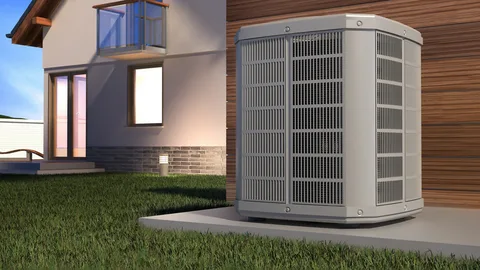
What is a Heat Pump Compressor?
A heat pump compressor is a mechanical device that increases the pressure and temperature of refrigerant vapor. Think of it as the engine of your heat pump system. The heat pump compressor takes low-pressure, cool refrigerant gas and squeezes it into a high-pressure, hot gas. This process is key to how heat pumps move heat from one place to another.
The heat pump compressor uses electrical energy to do this work. It’s usually the part that uses the most electricity in your heat pump system. The compressor is typically located in the outdoor unit of your heat pump. You can often hear it running when your system is on.
Heat pump compressors are built to be tough and long-lasting. A good heat pump compressor can last 10-15 years with proper care. However, because the heat pump compressor works so hard, it can sometimes develop problems or wear out before other parts of your system.
How a Heat Pump Compressor Works
The heat pump compressor is part of a cycle that moves heat. This cycle has four main steps, and the heat pump compressor handles the first step. Let’s look at how a heat pump compressor works in this cycle:
Step 1: Compression
The heat pump compressor takes in cool, low-pressure refrigerant gas. It then squeezes (compresses) this gas. When the gas is compressed, its pressure goes up. When pressure goes up, temperature also goes up. So the refrigerant leaves the heat pump compressor as a hot, high-pressure gas.
Step 2: Condensation
After leaving the heat pump compressor, the hot gas flows to a heat exchanger (condenser). Here, the hot gas gives off its heat to the air or water around it. As it cools down, the refrigerant changes from a gas to a liquid. But it’s still under high pressure.
Step 3: Expansion
The high-pressure liquid refrigerant then passes through an expansion valve. This valve reduces the pressure on the liquid. When pressure drops, so does temperature. The refrigerant becomes a cold, low-pressure liquid.
Step 4: Evaporation
Finally, the cold liquid flows through another heat exchanger (evaporator). Here, it absorbs heat from the surrounding air or water. This heat causes the refrigerant to evaporate, turning back into a gas. This cool, low-pressure gas returns to the heat pump compressor, and the cycle starts again.
The heat pump compressor is what keeps this cycle going. Without it, heat wouldn’t move from one place to another. That’s why the heat pump compressor is so important to your system’s operation.
Types of Heat Pump Compressors
There are several types of heat pump compressors used in modern systems. Each type of heat pump compressor has its own benefits and drawbacks. Let’s explore the main types:
Reciprocating Compressors
Reciprocating heat pump compressors use pistons that move back and forth to compress refrigerant. They’re like tiny engines inside your heat pump. These heat pump compressors are common in older or smaller systems. They’re reliable but can be noisy and less efficient than newer types.
Scroll Compressors
Scroll heat pump compressors use two spiral-shaped scrolls to compress refrigerant. One scroll stays fixed while the other orbits around it. This creates pockets of gas that get smaller as they move toward the center. Scroll heat pump compressors are quieter and more efficient than reciprocating ones. They’re very common in modern heat pumps.
Rotary Compressors
Rotary heat pump compressors use rotating mechanisms to compress refrigerant. They’re compact and have fewer moving parts than reciprocating compressors. Rotary heat pump compressors are often used in smaller systems like window units or portable heat pumps.
Variable Speed Compressors
Variable speed heat pump compressors can change how fast they run. This means they can adjust their output to match your heating or cooling needs. When you need less heating or cooling, the heat pump compressor runs slower and uses less energy. These heat pump compressors are the most efficient but also the most expensive.
Two-Stage Compressors
Two-stage heat pump compressors can operate at two different levels: high and low. They run on low most of the time, which saves energy. They switch to high only when needed for extreme temperatures. Two-stage heat pump compressors offer a good balance of efficiency and cost.
The type of heat pump compressor in your system affects its efficiency, noise level, and cost. Newer types like scroll and variable speed heat pump compressors are generally more efficient but may cost more upfront.
Common Heat Pump Compressor Problems
Even the best heat pump compressors can develop problems over time. Recognizing these issues early can help prevent bigger problems. Here are some common heat pump compressor problems to watch for:
Compressor Not Starting
If your heat pump compressor won’t start, it could be due to electrical problems. A faulty capacitor, relay, or wiring issue might be preventing your heat pump compressor from turning on. Sometimes, the heat pump compressor’s internal overload protector trips due to overheating. This is a safety feature that prevents damage.
Compressor Running But Not Heating or Cooling
Sometimes, the heat pump compressor runs but doesn’t heat or cool properly. This could mean your heat pump compressor is working, but there’s a problem elsewhere in the system. Low refrigerant levels, a dirty coil, or a blocked air filter could be the cause.
Noisy Compressor
Unusual noises from your heat pump compressor are never a good sign. Banging, rattling, or squealing sounds can indicate loose parts, refrigerant issues, or internal damage to the heat pump compressor. If you hear strange noises, it’s best to call a professional right away.
Short Cycling
Short cycling is when your heat pump compressor turns on and off too frequently. This puts extra wear on the heat pump compressor and wastes energy. It can be caused by an oversized system, low refrigerant, or a faulty thermostat. Short cycling can shorten the life of your heat pump compressor.
Frozen Compressor
In cold weather, your heat pump compressor might freeze up. This happens when moisture in the air freezes on the outdoor coil. Most heat pumps have a defrost cycle to prevent this. If your heat pump compressor keeps freezing, there might be a problem with the defrost controls or airflow.
Refrigerant Leaks
Refrigerant leaks are serious problems for heat pump compressors. Low refrigerant levels make your heat pump compressor work harder and can lead to overheating. If you notice your system isn’t cooling well or see ice on the refrigerant lines, you might have a leak.
Electrical Problems
Electrical issues can damage your heat pump compressor. Power surges, voltage fluctuations, or wiring problems can all cause heat pump compressor failure. Installing a surge protector for your HVAC system can help prevent these problems.
If you notice any of these issues with your heat pump compressor, it’s best to call a professional HVAC technician. Trying to fix heat pump compressor problems yourself can be dangerous and might void your warranty.
Maintaining Your Heat Pump Compressor
Proper maintenance can help your heat pump compressor last longer and work better. Here are some tips for keeping your heat pump compressor in good shape:
Regular Professional Maintenance
Have your heat pump system checked by a professional at least once a year. They can inspect the heat pump compressor and other components for signs of wear or damage. Professional maintenance can catch small problems before they become big ones. Many heat pump compressor failures could be prevented with regular check-ups.
Keep the Outdoor Unit Clean
The outdoor unit houses your heat pump compressor. Keep it clean and free of debris. Leaves, dirt, and other items can block airflow around the heat pump compressor. This makes it work harder and can cause overheating. Gently clean the outside of the unit with a garden hose (not a pressure washer).
Maintain Proper Airflow
Good airflow is essential for your heat pump compressor. Change your indoor air filters regularly, usually every 1-3 months. Dirty filters restrict airflow, which makes your heat pump compressor work harder. Also, make sure vents in your home aren’t blocked by furniture or curtains.
Check Refrigerant Levels
Have a professional check your refrigerant levels during maintenance visits. Low refrigerant can damage your heat pump compressor. Only licensed professionals should handle refrigerant. They can check for leaks and add refrigerant if needed.
Protect from Power Issues
Power surges and brownouts can damage your heat pump compressor. Consider installing a surge protector for your HVAC system. During thunderstorms, you might want to turn off your heat pump to protect the heat pump compressor from power surges.
Use a Programmable Thermostat
A programmable thermostat can reduce strain on your heat pump compressor. It allows your system to run more efficiently by adjusting temperatures when you’re away or asleep. This means less work for your heat pump compressor and lower energy bills for you.
Don’t Ignore Strange Noises or Behaviors
If you notice unusual noises or your heat pump isn’t working right, don’t ignore it. Small problems with your heat pump compressor can quickly become big ones. Call a professional if something seems off with your system.
By following these maintenance tips, you can help your heat pump compressor last longer and work more efficiently. This saves you money on energy bills and repairs in the long run.
When to Replace Your Heat Pump Compressor
Sometimes, despite good maintenance, a heat pump compressor will need to be replaced. Here’s how to know when it’s time for a new heat pump compressor:
Age of the Compressor
Most heat pump compressors last 10-15 years. If your heat pump compressor is older than this and having problems, replacement might make more sense than repair. Older heat pump compressors are also less efficient than newer models, so replacing one can save energy.
Cost of Repairs vs. Replacement
If the cost to repair your heat pump compressor is more than half the cost of a new heat pump system, replacement is often the better choice. Heat pump compressors are expensive parts. Sometimes it makes more financial sense to replace the entire system, especially if it’s older.
Frequent Breakdowns
If your heat pump compressor needs repairs often, it might be time for a replacement. Frequent breakdowns indicate that the heat pump compressor is wearing out. Replacing it can save you money on repeated repair calls.
Declining Efficiency
As heat pump compressors age, they become less efficient. If your energy bills are rising even with good maintenance, your heat pump compressor might be losing efficiency. A new heat pump compressor can lower your energy costs.
Refrigerant Type
If your heat pump compressor uses R-22 refrigerant (Freon), replacement is worth considering. R-22 is being phased out due to environmental concerns. It’s expensive and becoming harder to find. Newer heat pump compressors use more environmentally friendly refrigerants.
Unusual Noises or Vibrations
If your heat pump compressor makes strange noises or vibrates excessively, it might have internal damage. This often means the heat pump compressor needs to be replaced. Internal damage usually can’t be repaired effectively.
System Not Keeping Up
If your heat pump can’t keep your home comfortable anymore, the heat pump compressor might be failing. A weakening heat pump compressor won’t move heat efficiently. This results in rooms that never quite reach the desired temperature.
When replacing a heat pump compressor, consider whether it makes more sense to replace just the compressor or the entire system. If your heat pump is older, replacing the whole system often provides better value. New systems are more efficient and come with warranties that cover the heat pump compressor.
Frequently Asked Questions About Heat Pump Compressors
How long does a heat pump compressor last?
A heat pump compressor typically lasts 10-15 years with proper maintenance. Some high-quality heat pump compressors can last even longer. Regular professional maintenance can help extend the life of your heat pump compressor.
How much does it cost to replace a heat pump compressor?
Replacing just the heat pump compressor typically costs between $1,500 and $2,800, including parts and labor. The exact cost depends on the type and size of the heat pump compressor, your location, and the difficulty of the installation. Sometimes it’s more cost-effective to replace the entire heat pump system, especially if it’s older.
Can I replace a heat pump compressor myself?
No, you should not try to replace a heat pump compressor yourself. Heat pump compressor replacement requires specialized tools, knowledge of electrical systems, and proper handling of refrigerant. Refrigerant handling requires EPA certification. DIY heat pump compressor replacement can be dangerous and will void your warranty.
Why is my heat pump compressor making noise?
Some noise from a heat pump compressor is normal. However, banging, rattling, or squealing noises indicate problems. These could be caused by loose parts, refrigerant issues, or internal damage to the heat pump compressor. If you hear unusual noises, call a professional to check your heat pump compressor.
How can I tell if my heat pump compressor is bad?
Signs of a bad heat pump compressor include: the system not heating or cooling properly, unusual noises, the compressor not turning on, circuit breakers tripping, or the system short cycling (turning on and off frequently). If you notice these signs, have your heat pump compressor checked by a professional.
Does a heat pump compressor run in both heating and cooling modes?
Yes, the heat pump compressor runs in both heating and cooling modes. The heat pump compressor is what moves refrigerant through the system in either mode. The only difference is the direction of refrigerant flow, which is controlled by the reversing valve, not the heat pump compressor itself.
Why does my heat pump compressor keep shutting off?
A heat pump compressor that keeps shutting off might be short cycling. This can be caused by an oversized system, low refrigerant, dirty filters, a faulty thermostat, or electrical problems. Short cycling puts extra wear on your heat pump compressor and should be addressed by a professional.
Can a heat pump compressor be repaired?
Minor heat pump compressor issues like electrical problems or refrigerant leaks can often be repaired. However, internal mechanical damage to the heat pump compressor usually requires replacement. The cost of extensive repairs often makes replacement the more economical choice.
How efficient are different types of heat pump compressors?
Variable speed heat pump compressors are the most efficient, followed by two-stage compressors. Single-stage scroll compressors come next, with reciprocating compressors being the least efficient. Newer heat pump compressors are generally more efficient than older models of the same type.
What maintenance does a heat pump compressor need?
Heat pump compressors need regular professional inspection, clean outdoor units, good airflow (clean filters), proper refrigerant levels, and protection from power issues. Most maintenance that helps your heat pump system also helps the heat pump compressor last longer.
Keep Your Home Comfortable with a Well-Maintained Heat Pump Compressor
Your heat pump compressor is truly the heart of your heating and cooling system. By understanding how your heat pump compressor works and taking steps to maintain it properly, you can enjoy reliable comfort in your home for years to come. Regular maintenance of your heat pump compressor not only prevents breakdowns but also keeps your system running efficiently, saving you money on energy bills.
When problems do arise with your heat pump compressor, addressing them promptly can prevent more serious damage. Know the warning signs of heat pump compressor issues and don’t hesitate to call a professional when needed. Sometimes, investing in a new heat pump compressor or system is the most cost-effective solution in the long run.
Whether you’re troubleshooting a problem with your heat pump compressor or just want to keep your system in top shape, professional help is your best resource. HVAC technicians have the training and tools to properly diagnose and fix heat pump compressor issues.
Ready to ensure your heat pump compressor is working at its best? Contact Pristine Air today to schedule a maintenance check or address any concerns you have about your system. Your comfort and peace of mind are worth the call!