


Table of Contents
A noisy outdoor HVAC unit can be frustrating and concerning for homeowners. If your air conditioner or heat pump is making loud, unusual sounds, it could indicate a minor issue or a serious problem requiring professional attention.
Most noisy outdoor HVAC unit problems stem from loose parts, debris buildup, worn components, or improper installation. The good news is that many noise issues can be fixed with simple maintenance or minor repairs. In this guide, we’ll help you identify common causes of HVAC noise and provide practical solutions to restore peace and quiet to your home.
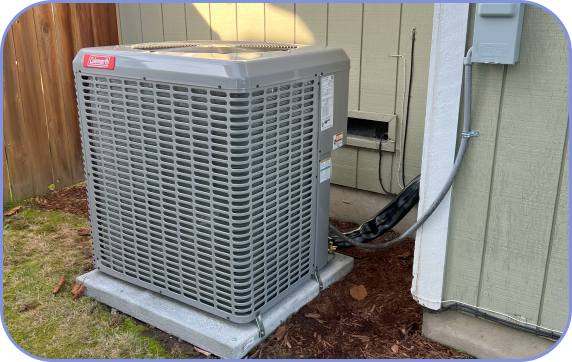
Common Causes of a Noisy Outdoor HVAC Unit
Your outdoor HVAC unit might be making noise for several reasons. Understanding these common causes can help you address the problem effectively.
Loose or Damaged Components
Over time, the vibration from normal operation can loosen screws, bolts, and other fasteners in your HVAC system. When parts become loose, they can rattle, buzz, or create banging noises. The fan blades, motor mounts, or panels might be the culprits. Sometimes, components like fan blades can become bent or damaged, creating an unbalanced operation that results in unusual noises.
Debris and Obstructions
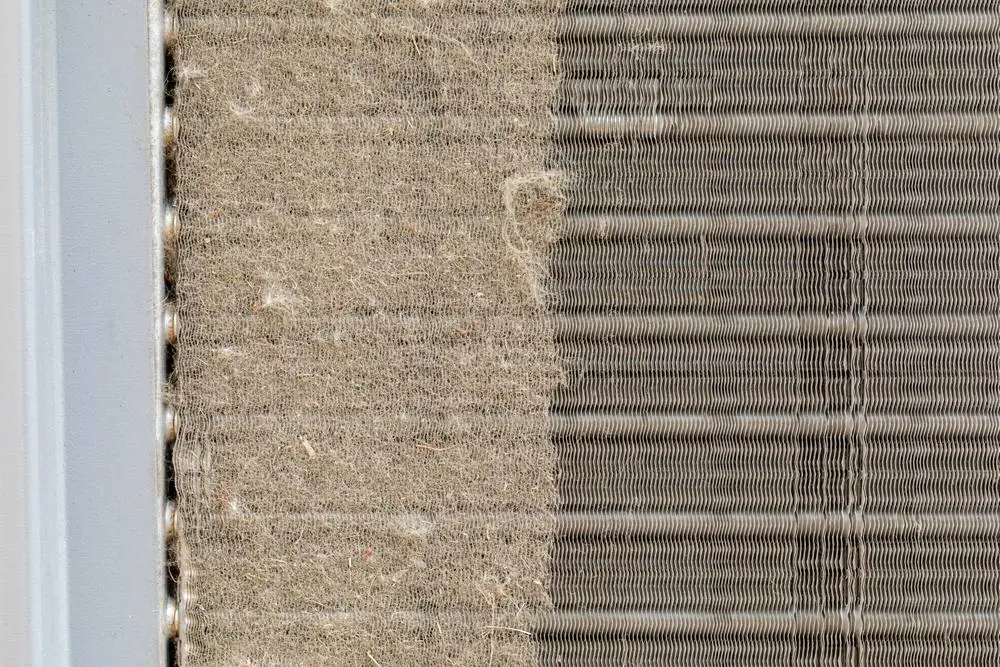
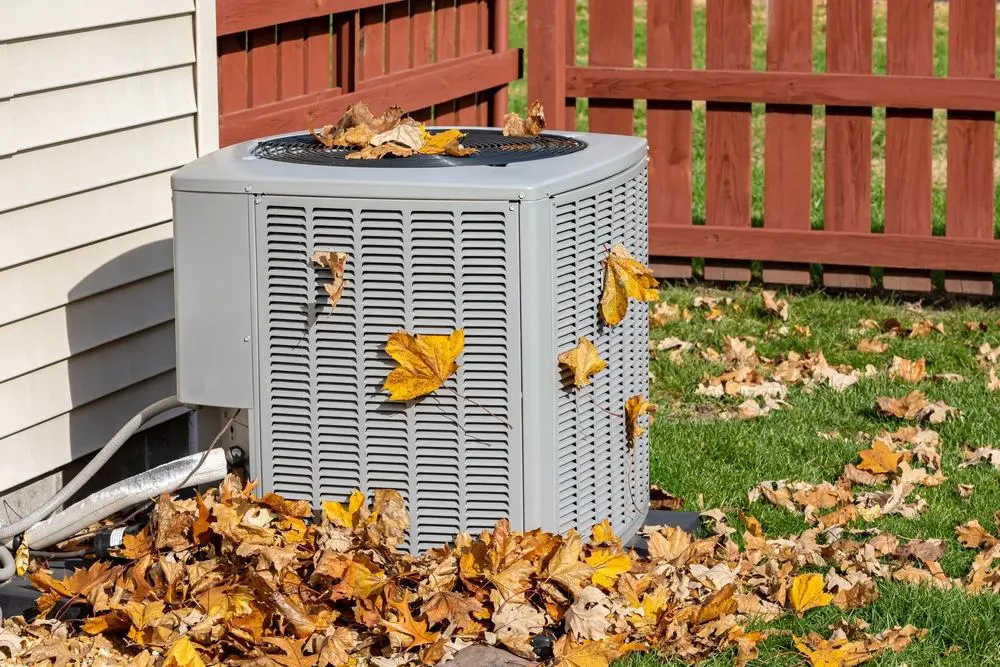
Your noisy outdoor HVAC unit might be struggling because of debris. Leaves, twigs, dirt, and other outdoor debris can get sucked into the unit or block airflow. When the fan hits these objects, it creates rattling or scraping sounds. Even small items like acorns or pebbles can cause significant noise if they get trapped inside the unit.

Worn-Out Parts
HVAC systems contain many moving parts that wear out over time. The most common wear-related noise sources include:
- Failing motor bearings that create grinding noises
- Worn fan belts causing squealing sounds
- Deteriorating compressor parts leading to rumbling or knocking
- Aging blower wheels resulting in scraping noises
Improper Installation or Foundation Issues
If your noisy outdoor HVAC unit sits on an uneven or unstable foundation, it can wobble during operation. This wobbling creates vibrations that transfer to the unit itself and sometimes to your home’s structure. Units that weren’t properly installed or have shifted over time often make more noise than necessary.
Refrigerant Problems
When your system has incorrect refrigerant levels (either too much or too little), it can create hissing or bubbling sounds. Refrigerant leaks not only cause noise but can also reduce your system’s efficiency and cooling capacity.
How to Diagnose Different HVAC Noises
Different sounds from your noisy outdoor HVAC unit can help pinpoint specific problems. Here’s how to become a sound detective:
Rattling and Vibrating
Rattling noises usually indicate loose components or debris inside the unit. Check for loose screws on access panels and fan covers. Also, look for leaves or twigs that might have entered the unit. Sometimes, the entire unit might vibrate excessively if it’s not sitting level on its pad.
Grinding or Screeching
These high-pitched sounds often point to problems with the motor or its bearings. When bearings wear out, metal rubs against metal, creating that unpleasant grinding noise. This requires prompt attention as continued operation could lead to motor failure. Screeching might also indicate a problem with the fan belt if your system has one.
Buzzing or Humming
Electrical components can create buzzing sounds when they’re not functioning properly. This could be due to:
- Loose electrical connections
- Failing contactors or capacitors
- Refrigerant leaks causing the compressor to work harder
- Frozen components from restricted airflow
Banging, Clanking, or Thumping
These louder, more concerning noises usually indicate a serious problem with moving parts. The compressor might have loose or broken internal parts. The fan blade could be hitting something or be unbalanced. These sounds warrant immediate professional attention to prevent further damage.
Hissing or Whistling
These sounds typically relate to air or refrigerant pressure issues. A hissing noise might indicate a refrigerant leak, while whistling could mean air is being forced through a restricted opening somewhere in the system.
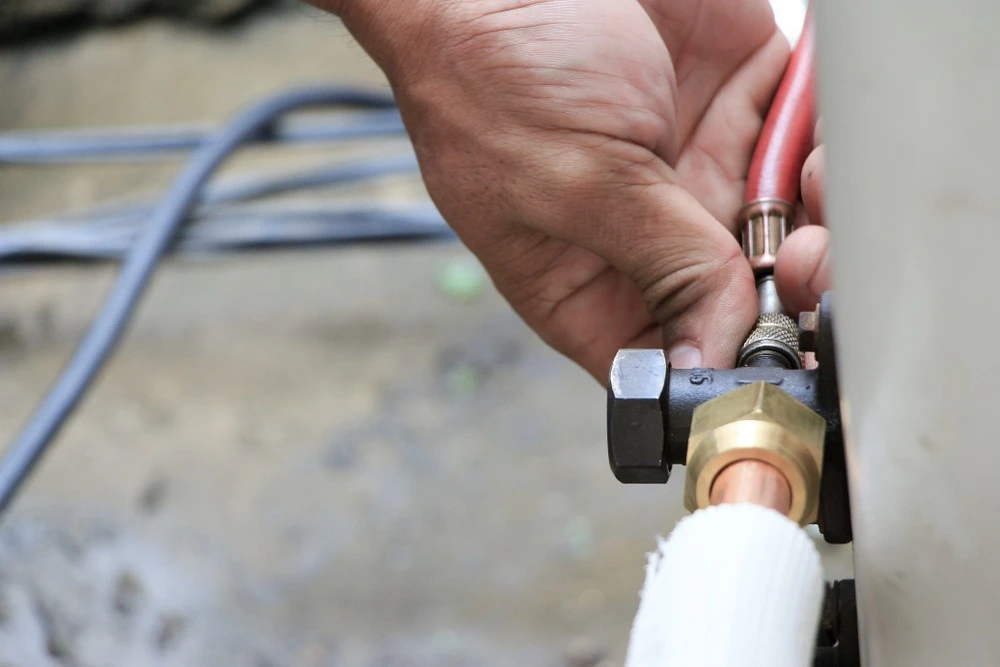
Simple DIY Fixes for Noisy Outdoor HVAC Unit
Before calling a professional, try these simple fixes that might solve your noisy outdoor HVAC unit problems:
Clean the Unit and Surrounding Area
Regular cleaning can prevent many noise issues:
- Turn off power to the unit at the breaker box
- Remove any visible debris from around the unit (leaves, twigs, etc.)
- Gently clean the exterior fins with a soft brush
- Clear at least 2 feet of space around the unit
- Trim back any vegetation that might be too close
Tighten Loose Components
With the power off, check for and tighten any loose screws, bolts, or panels. Pay special attention to the fan cover and access panels. Don’t overtighten, as this could strip the threads or damage components.
Level the Unit
If your noisy outdoor HVAC unit isn’t level, it can cause excessive vibration:
- Check if the concrete pad is level using a bubble level
- If it’s not level, you might need to adjust the pad or add shims
- Make sure the unit sits firmly on the pad without rocking
Add Vibration Dampening
You can reduce noise transmission by adding vibration dampening materials:
- Place rubber pads under the corners of the unit
- Install a compressor blanket (only if recommended by the manufacturer)
- Consider anti-vibration pads between the unit and its foundation
Change or Clean the Air Filter
A clogged air filter restricts airflow, making your system work harder and potentially creating noise. Replace or clean your air filter according to the manufacturer’s recommendations, typically every 1-3 months.
When to Call a Professional
While some noisy outdoor HVAC unit issues can be fixed by homeowners, others require professional attention. Here’s when to call an HVAC technician:
Persistent or Loud Noises
If you’ve tried the DIY fixes and the noise continues or is particularly loud, it’s time to call a pro. Continuing to run a noisy system could lead to more extensive damage and costly repairs.
Grinding, Screeching, or Metal-on-Metal Sounds
These sounds indicate serious mechanical issues that require professional repair. Turn off your system immediately if you hear these noises to prevent further damage.
Electrical Buzzing or Burning Smells
Electrical problems can be dangerous and should always be handled by professionals. If you notice buzzing sounds accompanied by burning smells, shut off your system at the breaker and call for service right away.
Refrigerant Issues
If you suspect refrigerant problems (hissing sounds, reduced cooling capacity), you’ll need a licensed technician. Handling refrigerant requires special certification due to environmental and safety regulations.
Age-Related Problems
If your unit is more than 10 years old and making noise, it might be experiencing age-related wear that requires professional assessment. Sometimes, older units become increasingly noisy as they approach the end of their useful life.

Preventing Future HVAC Noise Problems
Keep your outdoor HVAC unit running quietly with these preventive measures:
Regular Maintenance Schedule
Professional maintenance twice a year (spring and fall) can catch potential noise problems before they start. During these visits, technicians will:
- Lubricate moving parts to reduce friction
- Check and tighten electrical connections
- Clean internal components thoroughly
- Inspect for worn parts that might cause noise
- Ensure proper refrigerant levels
Seasonal Cleaning
Between professional visits, do your own basic cleaning:
- Keep the area around the unit clear of debris
- Gently hose down the exterior (with power off) to remove dirt
- Check for and remove any vegetation growing too close
- Ensure nothing has fallen into the top grille
Sound Barriers and Landscaping
Consider these noise-reduction strategies:
- Install a fence or sound barrier around the unit (keeping proper clearance)
- Plant shrubs or bushes around the unit (not too close) to absorb sound
- Consider acoustic panels designed specifically for HVAC units
Upgrade Considerations
If your noisy outdoor HVAC unit is older, consider these upgrade options:
- Newer models are designed to operate more quietly
- High-efficiency units often run at lower speeds, creating less noise
- Variable-speed systems adjust their operation to minimize noise
- Sound-dampening compressor blankets can reduce noise in newer compatible units
Frequently Asked Questions About Noisy HVAC Units
Is it normal for my outdoor HVAC unit to make some noise?
Yes, all outdoor HVAC units make some noise during normal operation. A typical air conditioner produces about 50-75 decibels of sound, similar to a household conversation. However, loud or unusual noises that you haven’t heard before are signs that something might be wrong.
Why does my HVAC unit get louder at night?
Your noisy outdoor HVAC unit might seem louder at night because ambient noise levels are lower, making the unit’s sound more noticeable. Additionally, cooler nighttime temperatures can affect how sound travels. If the unit is genuinely louder at night, it might be working harder due to temperature settings or developing a problem.
Can weather affect how noisy my HVAC unit is?
Yes, weather can impact HVAC noise. During very hot days, your unit works harder and might be louder. Rain or hail hitting the unit can create additional noise. Cold weather can cause components to contract slightly, sometimes creating different operating sounds in heat pumps.
How long should an outdoor HVAC unit last before it gets noisy?
A well-maintained HVAC system should operate relatively quietly for most of its lifespan, which is typically 15-20 years. However, some components might begin to make more noise after 8-10 years as they wear. Regular maintenance can extend the quiet operation of your system.
Will a noisy outdoor HVAC unit use more electricity?
Often, yes. Noise frequently indicates inefficiency or strain in the system. When components aren’t working properly, they typically consume more energy. Addressing noise issues promptly can help maintain energy efficiency and prevent higher utility bills.
Can I run my noisy HVAC unit until it can be repaired?
It depends on the type of noise. Mild rattling from loose panels might be okay temporarily, but grinding, screeching, or banging noises indicate serious problems that could cause permanent damage if the unit continues to run. When in doubt, turn the system off until a professional can assess it.
Are newer HVAC units quieter than older models?
Yes, modern HVAC units are designed with noise reduction in mind. Newer models often include sound-dampening technology, better insulation, and more efficient components that operate more quietly. If noise is a major concern, upgrading to a newer model might be worth considering.
How can I tell if my noisy outdoor HVAC unit needs replacement or just repair?
Consider these factors:
- Age of the unit (over 15 years often means replacement is more cost-effective)
- Frequency of repairs in recent years
- Cost of repair vs. replacement
- Energy efficiency of current unit compared to new models
- Severity of the noise problem and underlying cause
A professional can help you weigh these factors to make the best decision.
Get Help With Your Noisy Outdoor HVAC Unit Today
Don’t let a noisy outdoor HVAC unit disrupt your peace and comfort at home. While some noise issues can be resolved with simple DIY maintenance, others require professional expertise to prevent further damage and ensure your system runs efficiently. Regular maintenance is key to preventing noise problems and extending the life of your HVAC system.
If you’ve tried the troubleshooting steps in this guide and your unit is still making unusual noises, it’s time to call in the experts. Our experienced technicians can diagnose the exact cause of your HVAC noise and provide effective solutions to restore quiet operation.
Ready to enjoy a quieter, more efficient HVAC system? Contact Pristine Air today to schedule a professional inspection and say goodbye to those disruptive noises. Your comfort is our priority!