
Fall Allergy Relief Starts Inside Your Bonney Lake Home
Fall around Bonney Lake can be beautiful, but for many people it also means itchy eyes, stuffy noses, and nagging coughs. Mold spores from wet leaves, late-season pollen, and smoke from regional wildfires can all ride the wind and sneak into your home. Once inside, they mix with dust, pet dander, and everyday indoor pollutants and keep your allergies flaring long after you close the windows.
A well-maintained HVAC system can act like a shield between you and those triggers. When filters, ventilation, and humidity are in good shape, your equipment can trap particles, move stale air out, and keep moisture in a healthier range. When they are not, your system can push those same allergens from room to room.
As a veteran-owned, family-operated small business serving in the Bonney Lake area, we focus on practical steps that genuinely benefit our neighbors and support a healthier community. In this article, we will walk through a practical fall allergy game plan focused on four big pieces: smarter filters, better ventilation, balanced humidity, and when AC duct cleaning actually makes sense. Our goal is to help you breathe easier in your Bonney Lake home as the weather cools and you spend more time indoors.
Smart Filter Choices for Cleaner Fall Air
Air filters sit in the path of air that moves through your furnace or heat pump. Every time the blower runs, air passes through the filter first. In fall, your system usually starts running more often, so any dust or pollen that made its way inside gets pulled across that filter again and again.
The main rating you will see on filters is MERV. In simple terms, a higher MERV number means the filter can catch smaller particles. For most homes, the sweet spot is a filter that can grab:
- Pollen
- Pet dander
- Mold spores
- Fine dust and some smoke particles
without putting too much strain on the blower motor. Very high MERV filters can be too restrictive if the system was not designed for them, which is why it helps to get a recommendation based on your actual equipment and ductwork.
Here is how common filter types compare:
- Basic fiberglass filters: Inexpensive and thin, mostly protect the equipment, not your lungs
- Pleated high-efficiency filters: Thicker, trap more allergens, better for most households
- Media filters: Larger surface area, can catch more particles with less airflow restriction
As a general guideline, filters should be replaced every 1 to 3 months. Homes with pets, smokers, or family members with allergies usually need to be on the shorter end of that range. When filters clog up, you get:
- Poor airflow and rooms that do not feel as warm or cool
- Higher energy use because the blower works harder
- More dust and allergens slipping around the filter edges
A clean, properly rated filter is one of the simplest ways to cut down on fall allergy symptoms inside your home. Our insured, experienced technicians can help you select filters that match both your comfort needs and your system’s design.
Ventilation Strategies That Work in Northwest Fall Weather
As the rain starts and temperatures drop, most people in Pierce and South King Counties keep windows closed. That helps with comfort, but it also traps indoor pollutants from cooking, cleaning products, and off-gassing from carpets and furniture. Without good ventilation, your indoor air can feel heavy and aggravate allergies.
Randomly cracking windows is hit or miss, especially when outdoor air is damp or smoky. Controlled mechanical ventilation works better. That includes:
- Bathroom exhaust fans
- Kitchen range hoods vented outdoors
- Whole-home systems like energy recovery ventilators (ERVs) where they are appropriate
In our Pacific Northwest climate, we also have to think about smoke events and constant moisture. Pulling in outdoor air without a plan can bring in more pollen, smoke, and dampness, which can boost mold growth and allergy issues.
A few practical tips for fall:
- Run bathroom fans during showers and for about 20 minutes after
- Use the kitchen exhaust fan when cooking on the stove or in the oven
- Check that fans actually move air outside, not just recirculate it
- Listen for growing musty odors or stuffiness, which can hint at poor ventilation
Good ventilation should work together with filtration. You want enough fresh air to dilute indoor pollutants, but you also want that air filtered and managed so it does not add to your allergy triggers.
Because we are members of ACCA, we follow proven ventilation and indoor air quality best practices that prioritize both energy efficiency and comfort for local families.
Humidity Control to Keep Mold and Dust Mites in Check
Indoor humidity plays a big role in allergies. The sweet spot for most homes is roughly 30 to 50 percent relative humidity. In fall around Bonney Lake, the outdoor air is often cool and damp, and indoor humidity can creep higher, especially in tight homes.
When humidity stays too high, mold and dust mites thrive. They love areas such as:
- Bathrooms without strong exhaust
- Basements and crawlspaces
- Closets or corners with little airflow
- Rooms with old leaks or past water damage
To keep humidity in check, it usually takes more than one tool. Helpful strategies can include:
- Whole-home dehumidification tied into your HVAC system
- Consistent use of bathroom and kitchen fans
- Sealing air leaks that let damp outdoor air sneak in
- Making sure any humidistats or controls are set correctly for the season
It is also possible to swing too far in the other direction. Air that is too dry can irritate your nose, throat, and skin and make you feel just as miserable. The goal is balance, not “as dry as possible.” Careful setup of your HVAC controls and equipment helps track those shifts from late summer into fall and keeps humidity in a healthier middle range.
As a small, family-operated company, we take the time to look at the whole home, recommending humidity solutions that fit your family’s routines and support long-term comfort.
When AC Duct Cleaning Actually Helps Fall Allergies
AC duct cleaning gets talked about a lot, especially by allergy sufferers. It can help in some cases, but it is not a cure-all. In many homes, better filters, sealed duct leaks, and good humidity control do more for day-to-day relief than cleaning the ductwork alone.
Duct cleaning is usually worth a closer look when:
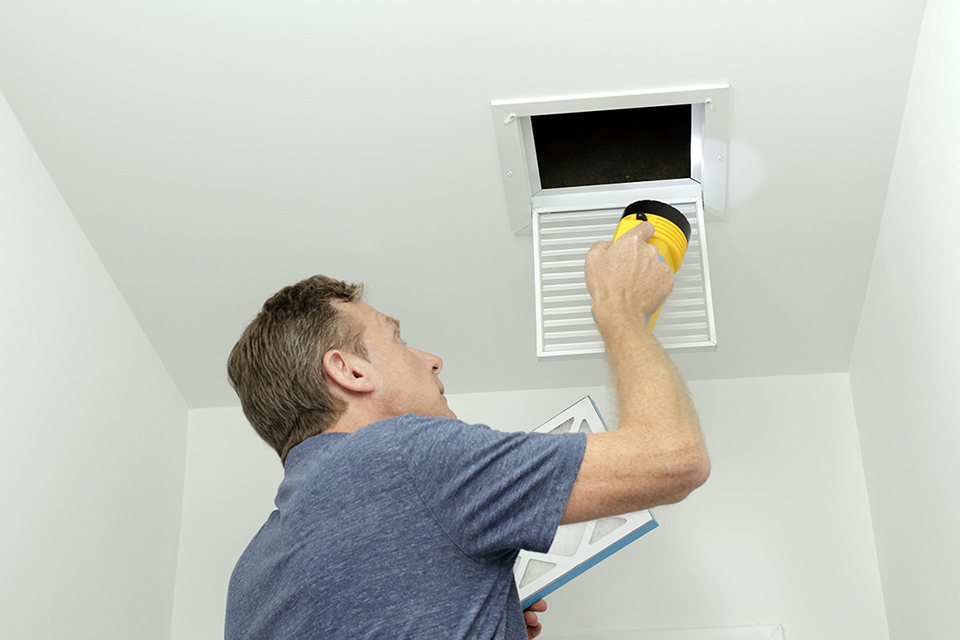
- There is visible mold growth inside ducts or on registers
- The home had recent major construction or remodeling with heavy dust
- There is a history of rodent or pest problems in the duct system
- The system has been neglected for many years
Dirty or damaged ducts can push settled dust, pet hair, and debris back into the air whenever the blower runs. When duct cleaning is needed, it should be done with professional equipment and care. A thorough process, informed by professional industry standards, often includes:
- Careful inspection of ducts and registers
- Use of strong negative-pressure machines to contain debris
- Agitation tools to loosen buildup inside the ducts
- Protection for flooring and furnishings during the work
Low-cost “blow and go” services that rush through the job can leave contaminants behind or even damage ducts. Signs that it might be time to have your ducts inspected include musty odors when the heat turns on, uneven temperatures from room to room, or visible dust streaks around vents, especially after known moisture or pest issues.
Our team follows professional duct-cleaning standards and uses specialized equipment to help protect your system and improve indoor air quality when cleaning is appropriate.
Building Your Fall HVAC Allergy Game Plan
Fall is a smart time to look at your whole indoor air picture before the heater becomes your main source of comfort. A simple game plan for Bonney Lake area homes might include:
- Checking and upgrading your HVAC filters
- Having the system inspected and tuned up for the heating season
- Confirming that bathroom and kitchen fans work well
- Reviewing humidity levels and control settings
- Evaluating whether AC duct cleaning is actually needed
Indoor air quality is not a one-time project. It is something that shifts with the seasons and with changes in your home. By paying attention to filters, ventilation, humidity, and duct conditions each fall, you give your family a better chance at a calmer allergy season and a more comfortable home.
As a veteran-owned, insured, ACCA-affiliated, family-operated business, we are committed to dependable, friendly service that puts Bonney Lake families first and helps build a healthier community, one home at a time.
Breathe Cleaner Air With Professional AC Duct Cleaning
If you are ready to improve your home’s comfort and air quality, our team at Pristine Air Services is here to help with expert AC duct cleaning. We thoroughly clean your ductwork to help reduce dust, allergens, and musty odors so your system can run more efficiently. Reach out today through our contact page to schedule service and get a cleaner, healthier home.