

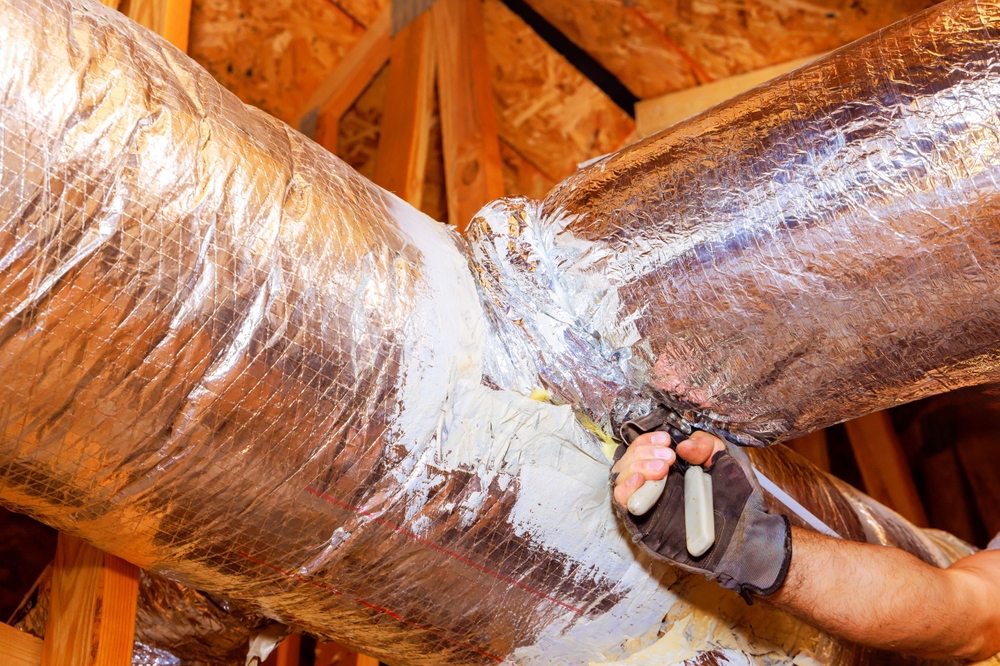
Duct Sealing vs Replacement: What’s the Difference?
Duct sealing vs replacement is a common dilemma for homeowners facing air duct problems. Duct sealing fixes leaks in your existing ductwork using special tapes or sealants. It’s best for ducts with minor leaks but still in good condition. Duct replacement involves removing old ducts and installing new ones, which can cost more. Replacement is necessary when ducts are severely damaged, very old, or improperly sized. The right choice depends on your duct condition, home comfort issues, and budget. Most homes with duct problems can benefit from sealing before considering a full replacement.
Table of Contents
| Factor | Duct Sealing | Duct Replacement |
|---|---|---|
| Cost | $500-$2,000 | $1,500-$5,000+ |
| Best For | Minor leaks, good condition ducts | Severely damaged, old, or poorly sized ducts |
| Time to Complete | 1-2 days | 3-7 days |
| Energy Savings | Up to 20% | Up to 30% |
Signs Your Ductwork Needs Attention
Before deciding between duct sealing vs replacement, you need to know if your ducts have problems. Here are common signs to watch for:
High Energy Bills
If your energy bills keep climbing without explanation, leaky ducts might be the culprit. Ducts with holes or gaps can lose up to 30% of the air passing through them. This forces your HVAC system to work harder and use more energy.
Your bills might be higher in summer and winter when your system runs most often. Compare your bills from year to year to spot unusual increases.
Uneven Heating or Cooling
Do some rooms feel too hot while others are too cold? This often happens when ducts leak or are damaged. When conditioned air escapes before reaching certain rooms, those spaces never get comfortable.
Room temperature differences of more than 3-5 degrees usually point to duct problems. This is especially true for rooms far from your HVAC unit.
Excessive Dust
Finding dust everywhere, even right after cleaning? Leaky ducts can pull in dust from attics, crawl spaces, and between walls. This dust then blows throughout your home.
If you notice more dust on furniture near vents or if family members have increased allergy symptoms, your ducts might be to blame.
Visible Damage to Ducts
Check any exposed ductwork in your attic, basement, or crawl space. Look for:
- Disconnected sections
- Visible holes or tears
- Crushed or dented ducts
- Rust or corrosion
- Loose connections
Even small holes can cause big problems over time. If you see any damage, your ducts need attention.
Age of Ductwork
Most ductwork lasts 20-25 years before needing replacement. If your ducts are older, they’re more likely to have problems. Older homes often have ductwork made from materials that don’t last as long as modern options.
Homes built before 1980 might have asbestos in the duct insulation, which requires professional inspection.
Benefits of Ductwork Sealing
Duct sealing offers many advantages that make it a popular first choice before considering replacement. Here’s why sealing might be right for your home:
Improved Energy Efficiency
Sealing leaky ducts can reduce your energy usage by 10-20%. When ducts leak, your heated or cooled air escapes before reaching your living spaces. This wastes energy and money.
The EPA estimates that sealing ducts in an average home saves enough energy each year to power a television for 11 months. These savings add up quickly on your monthly bills.
Better Indoor Air Quality
Leaky ducts can pull in pollutants from attics, crawl spaces, and between walls. These might include:
- Dust and dirt
- Insulation particles
- Mold spores
- Pests and their droppings
Sealing ducts prevents these contaminants from entering your air system. This means cleaner air throughout your home and fewer allergy problems.
More Comfortable Home
Properly sealed ducts deliver air where it’s supposed to go. This eliminates hot and cold spots in your home. Rooms that were previously uncomfortable become pleasant again.
You’ll also notice less dust blowing from your vents. This means less cleaning and a more comfortable living environment.
Extended HVAC System Life
When ducts leak, your heating and cooling system works harder to maintain temperature. This extra strain can shorten your system’s lifespan.
Sealing ducts reduces this strain, potentially adding years to your HVAC equipment. This saves you from costly replacements down the road.
When to Replace Ducts Instead of Sealing
While sealing is often the first choice, sometimes replacement is necessary. Here are situations when you should upgrade your duct system completely:
Severe Damage or Deterioration
If your ducts have extensive damage, sealing won’t be enough. Signs of severe problems include:
- Large holes or tears that can’t be easily patched
- Crushed or collapsed sections
- Widespread rust or corrosion
- Multiple disconnected sections
When damage affects more than 30% of your ductwork, replacement often makes more sense than extensive repairs.
Improper Duct Sizing
Many homes have ducts that were incorrectly sized during installation. Ducts that are too small restrict airflow, causing your system to work harder. Ducts that are too large reduce air velocity and efficiency.
If your HVAC professional determines your ducts are improperly sized, replacement is the only solution. No amount of sealing will fix this fundamental design flaw.
Outdated Materials
Older homes might have ducts made from materials no longer considered safe or effective. These include:
- Asbestos-containing insulation (common before 1980)
- Deteriorating flexible duct material
- Fiberglass ductboard that’s breaking down
These materials can release particles into your air and should be replaced with modern, safer alternatives.
Major Home Renovations
If you’re remodeling your home or adding rooms, your existing ductwork might not accommodate the new layout. A redesigned duct system ensures proper airflow to all areas of your renovated home.
This is also a good time to upgrade to more efficient duct designs and materials while walls and ceilings are open.
Recurring Mold Problems
If your ducts have had repeated mold issues despite cleaning, replacement might be necessary. Mold can become embedded in porous duct materials, making complete removal impossible.
New ducts with proper insulation and moisture barriers prevent future mold problems. This is especially important for homes in humid climates.
How to Decide: Duct Sealing vs Replacement
Making the right choice between duct sealing vs replacement requires careful consideration. Here’s how to approach this decision:
Get a Professional Inspection
Start with a thorough duct inspection from a qualified HVAC professional. They’ll use specialized tools like:
- Video cameras to see inside ducts
- Pressure testing equipment to measure leakage
- Thermal imaging to find temperature inconsistencies
This inspection reveals the true condition of your ductwork. The technician can then make an informed recommendation based on what they find.
Consider the Age Factor
The age of your ductwork matters when deciding between sealing and replacement:
- Ducts less than 15 years old: Usually good candidates for sealing
- Ducts 15-20 years old: May need sealing plus partial replacement
- Ducts over 20 years old: Often better to replace, especially if showing signs of wear
Older ducts made from outdated materials generally benefit more from replacement than sealing.
Evaluate Cost vs. Benefit
Compare the costs of both options against their long-term benefits:
- Sealing: Lower upfront cost with 10-20% energy savings
- Replacement: Higher upfront cost with 20-30% energy savings and longer lifespan
If your ducts need only minor repairs, sealing offers better value. For severely damaged systems, replacement provides better long-term savings despite the higher initial cost.
Consider Your Future Plans
Think about how long you plan to stay in your home:
- Staying less than 5 years: Sealing might make more financial sense
- Staying 5+ years: The long-term benefits of replacement could outweigh the costs
Also consider any planned renovations. If you’ll be remodeling soon, it might be wise to wait and replace ducts during that project.
The Duct Sealing Process Explained
If you decide on duct sealing, here’s what to expect during the process:
Initial Assessment
The technician first inspects your entire duct system. They look for obvious leaks, disconnections, and damage. They might use smoke tests to find hidden leaks or pressure testing to measure total leakage.
This assessment helps them determine which sealing method will work best for your specific situation.
Cleaning Before Sealing
Before sealing begins, ducts should be thoroughly cleaned. This removes dust, debris, and potential allergens that could be sealed inside your system.
Professional duct cleaning uses powerful vacuums and brushes to remove built-up dirt. This step ensures the sealant adheres properly to the duct surfaces.
Sealing Methods
Professionals use several methods to seal ducts:
- Mastic sealant: A paste-like substance applied to joints and seams
- Metal tape: Special foil tape (not duct tape) for sealing smaller leaks
- Aerosol sealant: Sprayed inside ducts to seal small, hard-to-reach leaks
For larger homes or extensive leakage, aerosol sealing is often most effective. This method can reach leaks in areas that are difficult to access manually.
Testing After Completion
After sealing, the technician should test the system again to verify the leaks are fixed. This might include:
- Pressure testing to measure improvement
- Airflow measurements at vents
- Temperature readings throughout the home
These tests confirm the sealing was successful and your system is now operating efficiently.
The Duct Replacement Process
If replacement is your best option, here’s what the process typically involves:
System Design
A proper replacement starts with designing the right system for your home. The HVAC professional will:
- Calculate proper duct sizes based on your home’s needs
- Design the most efficient layout
- Select appropriate materials for your climate and home
This design phase ensures your new ducts will perform better than the old ones.
Removal of Old Ductwork
The crew carefully removes existing ducts, taking precautions if asbestos or other hazardous materials might be present. This step can be labor-intensive, especially in finished areas of the home.
The removal process might require opening walls or ceilings in some areas. Good contractors minimize this disruption and handle repairs afterward.
Installation of New Ducts
New ductwork installation includes:
- Hanging main trunk lines
- Installing branch ducts to each room
- Connecting to your HVAC equipment
- Adding proper insulation around ducts
- Sealing all connections
Quality installation uses metal ductwork for main lines and may use flexible ducts for final connections to vents. All connections should be mechanically fastened and sealed.
System Testing and Balancing
After installation, the system needs testing and balancing to ensure proper airflow to all rooms. This involves:
- Measuring airflow at each vent
- Adjusting dampers to balance the system
- Testing for any leaks in the new installation
- Verifying proper system operation
This final step ensures your new duct system performs as designed and delivers maximum comfort and efficiency.
Cost Comparison: Sealing vs Replacement
Understanding the costs involved helps you make an informed decision about duct sealing vs replacement:
Duct Sealing Costs
Professional duct sealing might cost:
- Small homes (under 1,500 sq ft): $500-$1,000
- Medium homes (1,500-2,500 sq ft): $1,000-$1,500
- Large homes (over 2,500 sq ft): $1,500-$2,000+
These prices include inspection, cleaning, and sealing. The exact cost depends on your duct accessibility and the extent of leakage.
Duct Replacement Costs
Full duct replacement might cost considerably more:
- Small homes: $1,500-$3,000
- Medium homes: $3,000-$5,000
- Large homes: $5,000-$10,000+
These prices include design, removal of old ducts, installation of new ducts, and system balancing. Costs increase if walls or ceilings need opening and repair.
Return on Investment
Both options can provide good returns through energy savings:
- Duct sealing: Typically pays for itself in 2-3 years through 10-20% energy savings
- Duct replacement: Usually takes 4-7 years to recoup costs through 20-30% energy savings
Replacement offers longer-lasting benefits and potentially higher property value, which may justify the higher initial investment.
DIY vs Professional Service
While some homeowners consider DIY duct sealing, there are important differences between DIY and professional approaches:
DIY Limitations
DIY duct sealing has significant limitations:
- You can only seal visible, accessible ducts
- Most leaks occur in hidden areas you can’t reach
- DIY methods typically seal only 50-70% of leaks
- Improper materials like regular duct tape fail quickly
DIY sealing might help slightly but rarely solves the entire problem. It’s best for very minor, visible issues.
Professional Advantages
Professional duct services offer clear advantages:
- Access to specialized equipment for thorough inspection
- Ability to reach all areas of your duct system
- Professional-grade sealants that last 10+ years
- Proper testing to verify results
- Expertise to identify other potential issues
Professionals can seal 90-95% of leaks, providing much better results than DIY attempts.
When DIY Makes Sense
DIY approaches might be reasonable in limited situations:
- Sealing obvious disconnections in accessible areas
- Temporary fixes until professional service is available
- Very tight budgets where some improvement is better than none
If you try DIY sealing, use only proper materials like mastic sealant or metal-backed tape designed for HVAC use. Never use regular duct tape, which dries out and fails quickly.
Frequently Asked Questions
How long does duct sealing last?
Professional duct sealing typically lasts 10-15 years when done with quality materials. DIY sealing with proper materials might last 5-7 years. Regular duct tape fails within months and isn’t recommended.
Can I live in my home during duct replacement?
Yes, you can usually stay in your home during duct replacement. The process creates some noise and disruption, but contractors typically work in sections to minimize impact. Your HVAC system will be unusable during the work, which might be uncomfortable in extreme weather.
Will duct sealing or replacement remove mold?
Duct sealing alone won’t remove existing mold. If mold is present, professional cleaning should happen before sealing. For severe mold problems, replacement is often necessary to completely eliminate the issue and prevent recurrence.
How much energy can I save with duct improvements?
Proper duct sealing typically saves 10-20% on heating and cooling costs. Full duct replacement with an optimized design can save 20-30%. Your actual savings depend on how leaky your current system is and your local energy costs.
Do I need to replace ducts when installing a new HVAC system?
Not necessarily, but it’s an ideal time to consider it. If your ducts are in good condition and properly sized for the new system, sealing might be sufficient. However, if ducts are old, damaged, or improperly sized, replacing them along with your HVAC system ensures optimal performance.
Making the Right Choice for Your Home
Deciding between duct sealing vs replacement depends on your specific situation. For most homes with functioning but leaky ducts, sealing provides an excellent return on investment. It improves efficiency, comfort, and air quality at a reasonable cost.
When ducts are severely damaged, very old, or improperly sized, replacement becomes the better long-term solution. Though more expensive initially, new ducts provide better performance and can last 25+ years with proper maintenance.
The best approach is getting a professional assessment of your specific situation. A qualified HVAC technician can evaluate your ductwork condition and recommend the most appropriate solution for your home and budget.
Ready to improve your home’s comfort and efficiency? Contact Pristine Air Services today to schedule a professional duct inspection. Our experts will help you determine whether duct sealing or replacement is right for your home and provide quality service to solve your ductwork problems.